

Table of Contents
Duct insulation significantly improves HVAC efficiency by preventing energy loss as heated or cooled air travels through your ductwork. When ducts are properly insulated, they maintain the temperature of the air flowing through them, reducing the workload on your heating and cooling system. This means your HVAC system doesn’t have to work as hard to keep your home comfortable, resulting in lower energy bills and a more efficient system overall. Proper duct insulation can improve your HVAC efficiency by up to 30% in many homes.
What Is Duct Insulation?
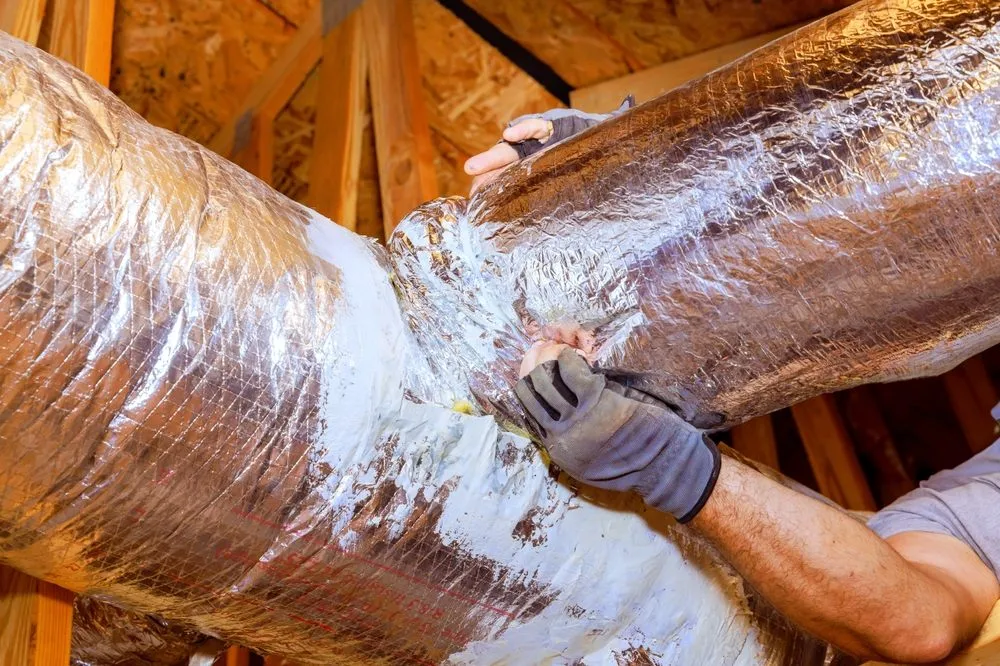
Duct insulation is a protective layer wrapped around your HVAC system’s air ducts. It works like a blanket for your ducts, keeping the air inside at the right temperature as it moves through your home. Without good insulation, the air in your ducts can get too hot in summer or too cold in winter before it reaches your rooms.
Think of duct insulation like a thermos that keeps hot drinks hot and cold drinks cold. It creates a barrier between the air in your ducts and the air in unconditioned spaces like attics, crawl spaces, or basements. This barrier stops heat from moving in or out of the ducts.
Duct insulation is especially important in parts of your home that aren’t heated or cooled. In these areas, temperature differences can cause your system to work harder than it needs to. Good duct insulation helps your HVAC system run at its best, saving energy and money.
Benefits of Insulating Your HVAC Ducts
Energy Savings
One of the biggest benefits of duct insulation is the money you’ll save on energy bills. When your ducts are well-insulated, less energy is wasted as air travels through them. The U.S. Department of Energy says that fixing leaky, uninsulated ducts can improve your HVAC efficiency by 20-30%. That means real savings every month!
For example, if your monthly energy bill is $200, proper duct insulation could save you $40-$60 each month. Over a year, that adds up to $480-$720 in savings. That’s money you can use for other things!
Improved Comfort
Have you ever noticed some rooms in your home are too hot while others are too cold? Poor duct insulation might be the problem. When ducts aren’t insulated well, the air temperature changes as it moves through your home.
With good duct insulation, the air stays at the right temperature until it reaches each room. This means more even temperatures throughout your house. No more cold spots in winter or hot spots in summer! Everyone in your home will feel comfortable no matter which room they’re in.
Reduced Noise
Noisy HVAC systems can be annoying. The sound of air rushing through ducts can disturb your peace and quiet. Duct insulation helps muffle these sounds, making your home quieter.
Insulation materials absorb vibrations and sound waves that travel through ductwork. This means less noise when your system turns on and off. You might not even notice when your HVAC system is running because it will be so quiet!
Extended HVAC System Life
Your HVAC system is a big investment. Protecting it makes sense! When ducts are properly insulated, your system doesn’t have to work as hard to keep your home comfortable.
Less strain on your system means fewer breakdowns and repairs. It also means your HVAC equipment will last longer before needing replacement. Some experts say good duct insulation can add 2-3 years to your system’s life. That’s a great return on your insulation investment!
Types of Duct Insulation Materials
Fiberglass Duct Insulation
Fiberglass is one of the most common types of duct insulation. It comes in blanket form (also called batts) or as rigid boards. Fiberglass insulation is made of tiny glass fibers that trap air, creating a barrier against heat transfer.
This type of insulation is popular because it’s affordable and effective. It typically has an R-value (a measure of insulation effectiveness) between R-4 and R-8. Fiberglass insulation usually has a foil or paper backing that acts as a vapor barrier.
One thing to remember about fiberglass: it can irritate your skin and lungs. Always wear protective gear if you handle it yourself. Many homeowners prefer to have professionals install fiberglass duct insulation for safety reasons.
Foam Board Insulation
Foam board insulation is made from polystyrene, polyisocyanurate, or polyurethane. These rigid panels provide good insulation with less thickness than fiberglass. Foam board typically has an R-value of R-4 to R-6.5 per inch.
This type of insulation works well for rectangular ducts with flat surfaces. It’s lightweight and easy to cut to size. Foam board also resists moisture better than fiberglass, making it good for humid areas.
The downside of foam board is that it costs more than fiberglass. It also needs to be carefully sealed at the joints to prevent air leaks. But its durability and moisture resistance make it worth considering for many homes.
Reflective Insulation
Reflective insulation uses aluminum foil to reflect heat away from ducts. It’s often combined with other materials like bubble wrap or foam to increase its effectiveness. This type of insulation works differently than others – instead of slowing heat transfer, it reflects it away.
This insulation works best in hot climates where cooling is the main concern. It’s lightweight and doesn’t take up much space. Reflective insulation is also resistant to moisture and won’t grow mold.
The effectiveness of reflective insulation depends on proper installation. It needs an air space next to the reflective surface to work well. When installed correctly, it can be very effective at keeping ducts cool in hot attics.
Duct Wrap
Duct wrap is a flexible blanket-style insulation specifically designed for ducts. It usually consists of fiberglass covered with a foil or vinyl facing. The facing acts as both a vapor barrier and air barrier.
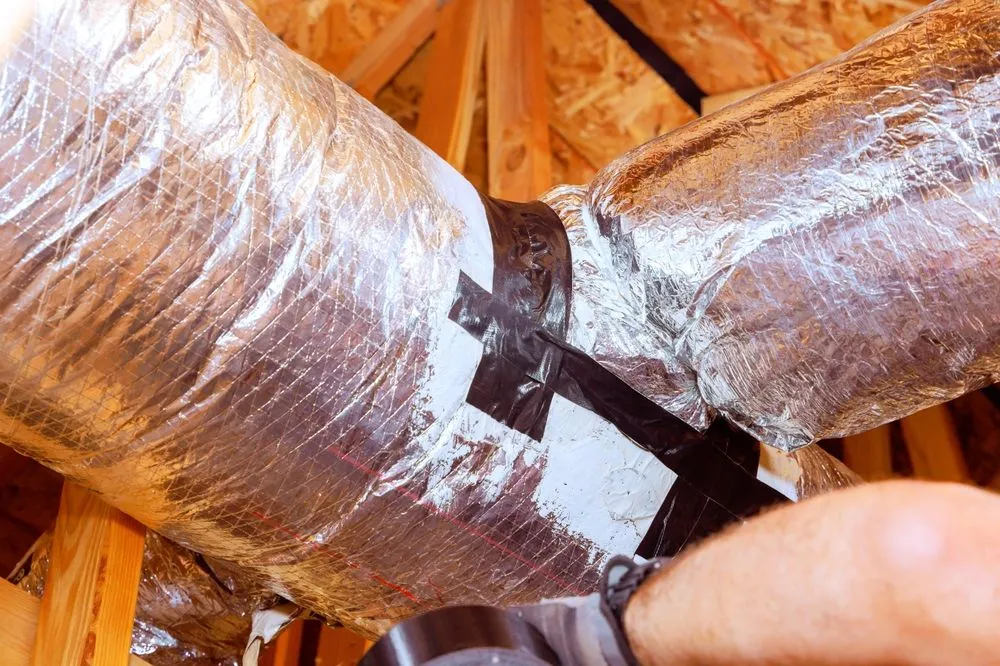
This type of insulation is easy to work with because it can bend around corners and irregular shapes. It typically has an R-value between R-6 and R-8. Duct wrap is secured with special tape or wire to keep it in place.
Duct wrap is a good all-around choice for most homes. It’s reasonably priced, effective, and adaptable to different duct shapes. Professional installers often prefer it because it’s quick to install and provides consistent coverage.
Signs Your Ducts Need Better Insulation
High Energy Bills
Have your energy bills been climbing even though your usage hasn’t changed? Poor duct insulation might be the culprit. When ducts leak or lack proper insulation, your HVAC system works overtime to maintain comfortable temperatures.
Compare your current bills to the same month last year. If you see a significant increase without explanation, check your duct insulation. Many homeowners are surprised to learn that fixing duct insulation problems can lower energy bills by 10-30%.
Remember that seasonal changes affect energy bills too. But if your bills seem unusually high compared to neighbors or previous years, duct insulation could be the problem.
Uneven Temperatures
Do some rooms feel like a freezer while others feel like a sauna? Uneven temperatures often point to duct insulation issues. When ducts lose heat or cool air before reaching certain rooms, temperature differences occur.
Pay attention to rooms farthest from your HVAC unit. These are most likely to have temperature problems if ducts aren’t well-insulated. Also notice if rooms above uninsulated ducts in the basement or below ducts in the attic have temperature issues.
Temperature differences of more than 3-5 degrees between rooms usually indicate a problem. Properly insulated ducts should deliver air at consistent temperatures throughout your home.
Excessive Dust
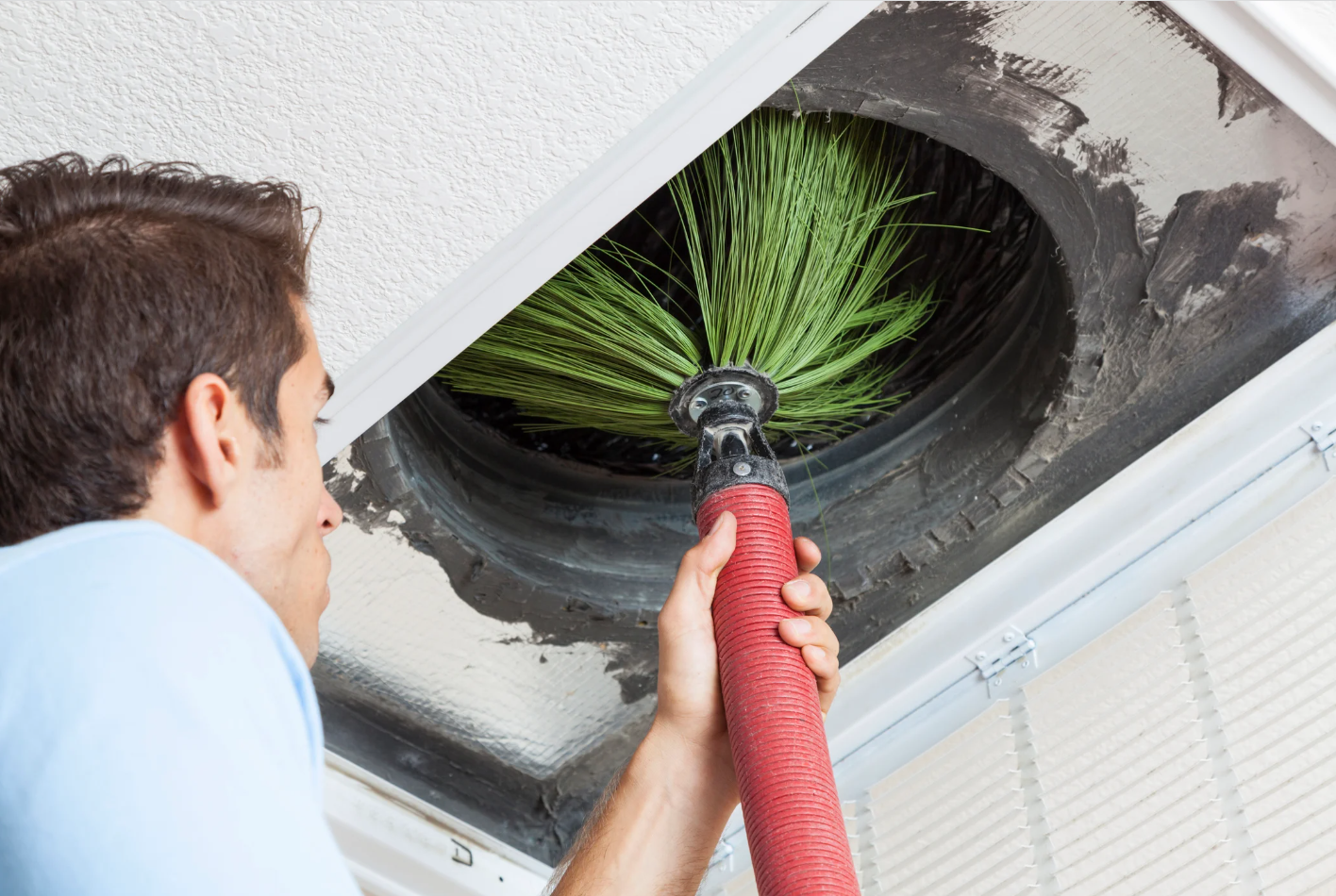
Finding yourself dusting more often than usual? Poorly insulated ducts can pull in dust from attics, crawl spaces, and wall cavities. This dust then circulates through your home, settling on surfaces.
Check your air filters too. If they get dirty quickly, leaky ducts might be drawing in extra dust. This not only affects air quality but makes your system work harder.
Properly sealed and insulated ducts keep the air inside clean as it travels through your home. Less dust means easier breathing and less cleaning for you!
Visible Condensation or Mold
Moisture on or around your ducts is a red flag for insulation problems. When warm air in ducts meets cooler surfaces (or vice versa), condensation forms. This moisture can lead to mold growth and water damage.
Look for water stains on ceilings or walls near ductwork. Also check exposed ducts in basements, attics, or crawl spaces for moisture or mold. These are clear signs that your ducts need better insulation.
Proper duct insulation prevents the temperature differences that cause condensation. This protects your home from moisture damage and prevents unhealthy mold growth.
DIY vs. Professional Duct Insulation
When to DIY
DIY duct insulation can be a good option if you have accessible ducts and basic home improvement skills. Exposed ducts in basements, attics, or crawl spaces are easiest to insulate yourself. The materials are available at most home improvement stores.
Simple rectangular ducts with straight runs are most DIY-friendly. You’ll need to measure your ducts carefully and purchase the right amount of insulation. Most DIYers choose duct wrap or reflective insulation for their projects.
The cost savings can be significant. Professional installation might cost $1,000-$2,000 for a typical home, while DIY materials might run $200-$500. However, remember that improper installation can reduce effectiveness and waste money.
When to Hire a Professional
Professional installation is best for complex duct systems or when ducts are hard to reach. HVAC professionals have specialized tools and experience to insulate ducts properly. They can also identify and fix leaks before adding insulation.
Professionals know which insulation types work best in different situations. They understand building codes and safety requirements too. This expertise ensures your duct insulation performs as expected.
Another benefit of professional installation is time savings. What might take you several weekends could be completed in a day by professionals. Many also offer warranties on their work, giving you peace of mind.
Cost Comparison
Let’s break down the costs of DIY versus professional duct insulation:
DIY Costs:
- Materials: $200-$500 (depending on home size)
- Tools: $50-$100 (if you don’t already have them)
- Your time: 1-3 weekends
Professional Costs:
- Labor and materials: $1,000-$2,000 (for average home)
- Time: Usually 1 day
- Often includes warranty and inspection of existing ductwork
While DIY is cheaper upfront, professional installation might provide better long-term value. Professionals can spot problems you might miss and ensure the job is done right the first time.
Safety Considerations
Safety should be your top priority whether you DIY or hire professionals. Working in attics or crawl spaces can be dangerous. These areas may have poor lighting, limited space, and hazards like exposed nails.
When handling insulation materials, protective gear is essential. Wear gloves, eye protection, and a mask to prevent irritation from fiberglass or dust. Long sleeves and pants provide additional protection.
Professional installers are trained in safety protocols and have proper equipment. They also carry insurance in case of accidents. For many homeowners, this peace of mind is worth the extra cost of professional installation.
Frequently Asked Questions About Duct Insulation
How much can duct insulation improve HVAC efficiency?
Duct insulation can improve your HVAC’s efficiency by up to 30% by preventing energy loss as air travels through unconditioned areas. This not only boosts comfort but can also reduce monthly bills when paired with proper duct sealing.
What R-value is recommended for duct insulation?
The R-value depends on your climate and where the ducts are located, but unconditioned areas like attics usually need R-6 to R-8. Colder climates benefit from R-11 or higher to keep your HVAC system working efficiently year-round.
How long does duct insulation last?
Most duct insulation lasts 10–15 years before needing replacement, depending on material quality and environmental conditions. If you notice higher bills, uneven heating, or visible damage, it might be time for an inspection.
Can I insulate ducts in all parts of my home?
You should insulate ducts in attics, crawl spaces, and basements since these areas see the most heat loss. Inside walls typically don’t need it, but always ask a pro if you’re unsure about your specific layout and climate.
Will duct insulation help with allergies?
Yes, but only if paired with duct sealing and good filtration since unsealed ducts can pull allergens from attics and crawl spaces. Clean, sealed ducts keep your airflow healthier by minimizing dust and allergens entering your home.
Is duct insulation a good DIY project?
It can be if the ducts are easily accessible and you’re comfortable with basic tools and measurements. That said, sealing and insulating correctly takes precision—many homeowners choose a hybrid approach with help from a pro.
Improving Your Home’s Efficiency with Duct Insulation
Duct insulation is one of the most effective ways to improve your HVAC efficiency. By preventing energy loss as air travels through your ductwork, you’ll enjoy lower utility bills and more comfortable living spaces. The investment in proper duct insulation typically pays for itself within a few years through energy savings.
Whether you choose DIY installation or professional help, the important thing is to address duct insulation issues promptly. Signs like high energy bills, uneven temperatures, and excessive dust shouldn’t be ignored. These problems won’t fix themselves and will continue to waste energy and money.
Ready to improve your HVAC efficiency with proper duct insulation? Contact Borts HVAC today to schedule an inspection of your ductwork. Our experts can identify problems and recommend the best insulation solutions for your home. Book an appointment now and start enjoying the benefits of a more efficient HVAC system!