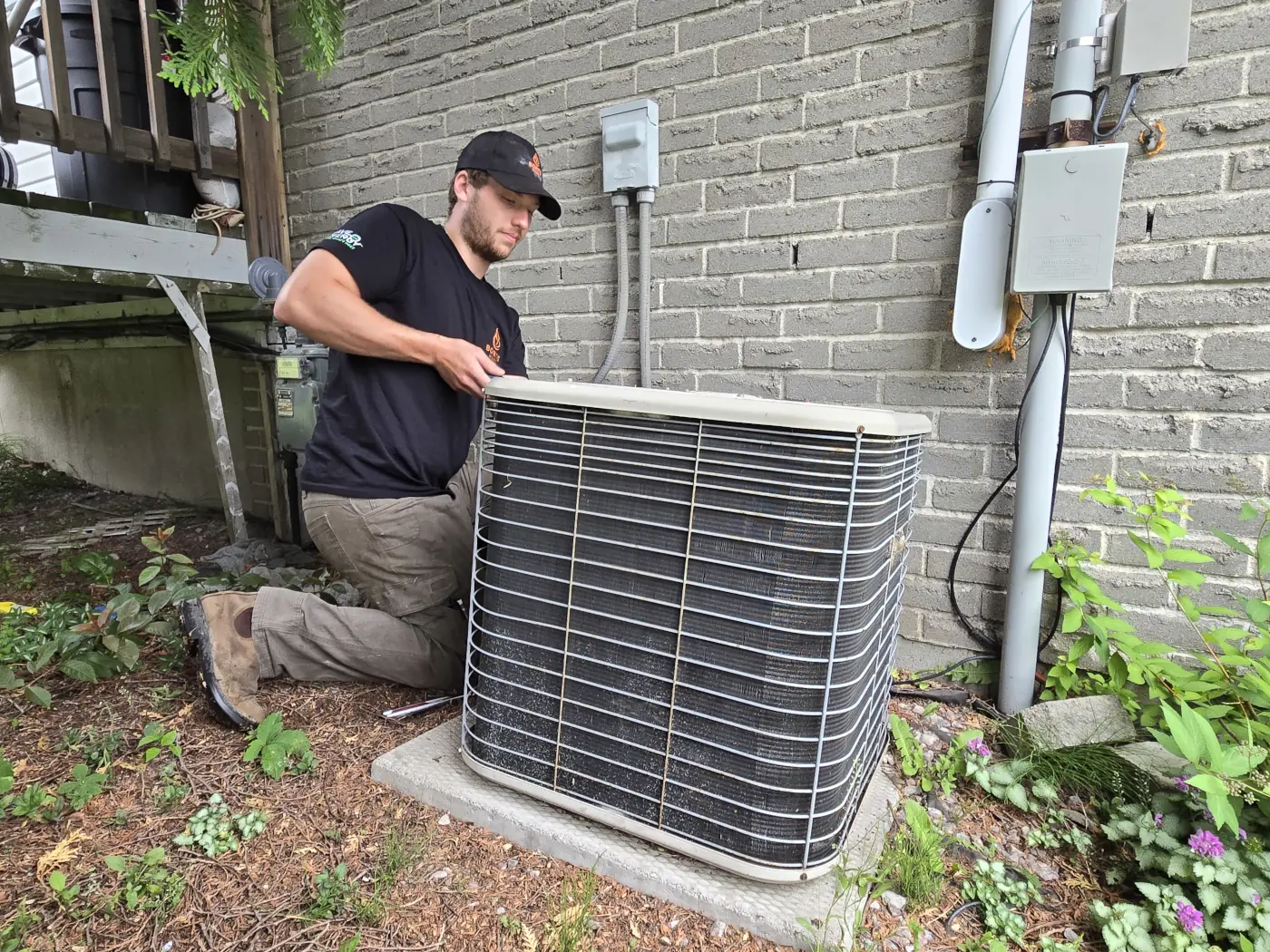


Summer HVAC Maintenance Checklist: What You Need to Know
Summer HVAC maintenance is essential to keep your cooling system running efficiently during hot weather. A well-maintained HVAC system uses less energy, saves money, and prevents breakdowns when you need cooling the most. Your summer HVAC maintenance should include changing air filters, cleaning outdoor units, checking thermostat settings, and inspecting ductwork. By following a complete maintenance checklist, you can enjoy reliable cooling all summer long while extending your system’s lifespan and avoiding costly emergency repairs during heat waves.
Table of Contents
Why Summer HVAC Maintenance Matters
Summer puts extra strain on your air conditioning system. When temperatures rise, your AC works harder and longer to keep your home comfortable. Without proper summer HVAC maintenance, this increased workload can lead to problems.
Regular maintenance helps your system run at peak efficiency. An efficient system uses less electricity, which means lower utility bills during the hottest months. In fact, proper summer HVAC maintenance can reduce your cooling costs by up to 15%.
Maintenance also prevents unexpected breakdowns. Nothing is worse than your AC failing during a heatwave. By checking and servicing your system before summer hits full force, you can catch small issues before they become big problems.
| Benefits of Summer HVAC Maintenance | Problems from Neglected Maintenance |
|---|---|
| Lower energy bills | Higher electricity costs |
| Fewer breakdowns | System failures during heat waves |
| Longer system lifespan | Premature replacement needs |
| Better indoor air quality | Increased allergens and dust |
| More consistent cooling | Hot and cold spots in your home |
DIY Summer HVAC Maintenance Tasks
You can perform many summer HVAC maintenance tasks yourself. These simple steps will help keep your system running smoothly without calling a professional.
Replace Air Filters
Changing your air filters is one of the most important summer HVAC maintenance tasks. Dirty filters restrict airflow, making your system work harder. This wastes energy and can damage your equipment.
Check your filters monthly during summer. Replace them when they look dirty, typically every 1-3 months. If you have pets or allergies, you might need to change them more often.
Use the correct size filter for your system. The dimensions are usually printed on the old filter. Consider upgrading to a higher-quality filter if you have allergy concerns.
Clean Around Outdoor Units
Your outdoor condenser unit needs space to breathe. As part of your summer HVAC maintenance, clear away leaves, grass clippings, and debris from around the unit.
Trim back any plants growing within two feet of the unit. Good airflow around your condenser is essential for efficient operation.
Gently clean the exterior fins with a soft brush or vacuum attachment. Be careful not to bend the fins, as they’re delicate and important for heat transfer.
Check and Set Your Thermostat
Proper thermostat settings are a key part of summer HVAC maintenance. Program your thermostat to run less when you’re away from home.
The Department of Energy recommends setting your thermostat to 78°F when you’re home for the best balance of comfort and efficiency. Each degree below this setting increases your cooling costs by about 3-5%.
If you don’t have a programmable thermostat, consider upgrading. Smart thermostats can learn your schedule and adjust automatically, saving even more energy.
Inspect and Clean Vents and Registers
Check all your supply and return vents as part of your summer HVAC maintenance routine. Make sure they’re not blocked by furniture, rugs, or curtains.
Remove the vent covers and vacuum inside the ducts as far as you can reach. This removes dust that would otherwise circulate through your home.
Ensure all vents are open, even in unused rooms. Closing vents can create pressure imbalances that strain your system.
Professional Summer HVAC Maintenance Tasks
While DIY maintenance is important, some summer HVAC maintenance tasks require professional skills and tools. Here’s what a qualified technician should do during a maintenance visit.
Check Refrigerant Levels
Proper refrigerant charge is crucial for efficient cooling. Too little refrigerant makes your system work harder and cool less effectively.
Only licensed professionals should handle refrigerant. It’s regulated by the EPA because it can harm the environment if not properly managed.
If your technician finds low refrigerant levels during summer HVAC maintenance, they’ll check for leaks before adding more. Refrigerant doesn’t get “used up” – low levels always indicate a leak.
Clean Evaporator and Condenser Coils
Dirty coils reduce your system’s efficiency dramatically. The evaporator coil inside your home and the condenser coil in the outdoor unit both need regular cleaning.
Professional summer HVAC maintenance includes special cleaning solutions that remove dirt without damaging the coils. Clean coils transfer heat more effectively, reducing energy use.
Technicians also check for coil fin damage and can straighten bent fins with special tools. This improves airflow across the coils for better performance.
Inspect and Test Electrical Components
Electrical problems can cause system failures or even create fire hazards. Professional summer HVAC maintenance includes testing all electrical connections and components.
Technicians measure voltage and current on motors. They tighten electrical connections that may have loosened due to normal vibration.
They also check capacitors, which help motors start and run. Failed capacitors are a common cause of AC breakdowns during summer.
Lubricate Moving Parts
Your HVAC system has motors and bearings that need proper lubrication. Without it, friction increases, causing parts to wear out faster and use more electricity.
During professional summer HVAC maintenance, technicians apply the right type and amount of lubricant to all moving parts. This reduces energy consumption and extends component life.
Not all modern motors require lubrication, but a professional knows which ones do and how to service them properly.
Seasonal Timing for HVAC Maintenance
The best time for summer HVAC maintenance is in late spring, before you need your air conditioner daily. This gives you time to address any issues before hot weather arrives.
Many HVAC companies offer maintenance agreements that include two visits per year – one in spring for cooling system maintenance and one in fall for heating system checks.
Regular maintenance twice yearly costs less than emergency repairs. It also ensures your system is ready when you need it most.
Signs Your System Needs Immediate Attention
Even with regular summer HVAC maintenance, watch for these warning signs that indicate your system needs professional help right away:
- Unusual noises like grinding, squealing, or banging
- Weak airflow from vents
- System running constantly without reaching set temperature
- Water leaking around indoor unit
- Ice forming on refrigerant lines or evaporator coil
- Foul odors when system runs
- Unusually high electric bills
Don’t ignore these signs, even if you recently completed your summer HVAC maintenance. Addressing problems early prevents more extensive damage.
Improving Energy Efficiency Beyond Maintenance
While summer HVAC maintenance is essential for efficiency, you can take additional steps to reduce cooling costs.
Upgrade Insulation and Seal Leaks
Even the best-maintained HVAC system wastes energy in a poorly insulated home. Check your attic insulation levels and add more if needed.
Seal air leaks around windows, doors, and where utilities enter your home. This prevents cool air from escaping and hot air from entering.
Weather stripping and caulk are inexpensive ways to improve your home’s efficiency alongside your summer HVAC maintenance routine.
Use Ceiling Fans Wisely
Ceiling fans create a wind-chill effect that makes you feel cooler without lowering the temperature. This allows you to set your thermostat higher while maintaining comfort.
Remember to turn fans off when leaving the room. Fans cool people, not spaces, so running them in empty rooms wastes electricity.
Set ceiling fans to rotate counterclockwise in summer. This pushes air downward, creating a cooling breeze.
Manage Sun Exposure
Close blinds and curtains on sun-facing windows during the day. This blocks solar heat gain that makes your AC work harder.
Consider installing awnings or planting shade trees near windows that get direct sunlight. These natural solutions complement your summer HVAC maintenance efforts.
Solar screens or window films can block heat while still allowing light in. They’re especially effective on east and west-facing windows.
Common Summer HVAC Problems and Solutions
Even with diligent summer HVAC maintenance, you might encounter these common issues:
System Short Cycling
Short cycling occurs when your AC turns on and off frequently without completing a full cooling cycle. This wastes energy and reduces comfort.
Possible causes include oversized equipment, thermostat problems, or refrigerant issues. A professional can diagnose and fix the specific cause.
Regular summer HVAC maintenance often catches problems before they lead to short cycling.
Frozen Evaporator Coil
A frozen coil prevents proper cooling and can damage your compressor if ignored. You might notice weak airflow or see ice on the refrigerant lines.
Turn off your system if you suspect a frozen coil. After the ice melts, check your air filter – a clogged filter is often the culprit.
Other causes include refrigerant leaks or airflow problems that require professional attention during your summer HVAC maintenance visit.
Drainage Problems
Your AC removes humidity from the air, creating condensate that must drain properly. A clogged drain line can cause water damage and system shutdown.
Some newer systems have float switches that turn off the AC if water backs up. If your system stops working on humid days, check the drain.
Professional summer HVAC maintenance includes cleaning the condensate drain line to prevent clogs.
Frequently Asked Questions About Summer HVAC Maintenance
How often should I schedule professional summer HVAC maintenance?
You should schedule professional summer HVAC maintenance once a year, ideally in late spring before heavy use begins. This ensures your system is ready for the cooling season.
If you have an older system (10+ years) or live in an extremely hot climate, consider having a mid-season check-up as well. This helps catch any issues that develop during peak usage.
Can summer HVAC maintenance really save me money?
Yes, regular summer HVAC maintenance typically saves 5-15% on cooling costs compared to a neglected system. A well-maintained system runs more efficiently, using less electricity.
Maintenance also extends equipment life, postponing expensive replacement costs. Most systems last 15-20 years with proper care, but only 8-10 years without regular maintenance.
What’s the difference between a tune-up and maintenance?
A tune-up usually focuses on optimizing performance, while comprehensive summer HVAC maintenance includes inspection, cleaning, testing, and preventive repairs.
Complete maintenance addresses all system components, while a tune-up might focus on just a few key areas. For best results, choose full maintenance rather than just a tune-up.
Should I cover my outdoor unit during summer storms?
Modern outdoor units are designed to withstand rain and weather. Covering during operation traps heat and moisture, potentially causing damage.
If severe hail is forecast, you can temporarily cover the unit with a breathable material. Remove the cover promptly after the storm passes.
Regular summer HVAC maintenance includes checking for and repairing any weather-related damage to your outdoor unit.
How do I know if my air filter needs changing?
Hold your filter up to a light source. If you can’t see light through it, it’s time to replace it. Most filters need changing every 1-3 months during summer.
Another sign is increased dust in your home or longer running times for your AC. Both indicate restricted airflow from a clogged filter.
Some smart thermostats can remind you when it’s time to change filters based on system runtime, making this part of summer HVAC maintenance easier to remember.
Preparing Your HVAC System for Summer
Proper summer HVAC maintenance ensures your cooling system works efficiently when you need it most. By following this checklist, you’ll enjoy better comfort, lower energy bills, and fewer repairs.
Remember to handle the DIY tasks regularly and schedule professional maintenance annually. This combination provides the best protection for your important home comfort system.
Don’t wait until the first hot day to discover problems with your air conditioner. Be proactive with your summer HVAC maintenance to stay cool all season long. When you need professional help with your cooling system, Borts HVAC is ready to assist. Contact us today to schedule your summer HVAC maintenance appointment and ensure worry-free comfort throughout the hottest months.